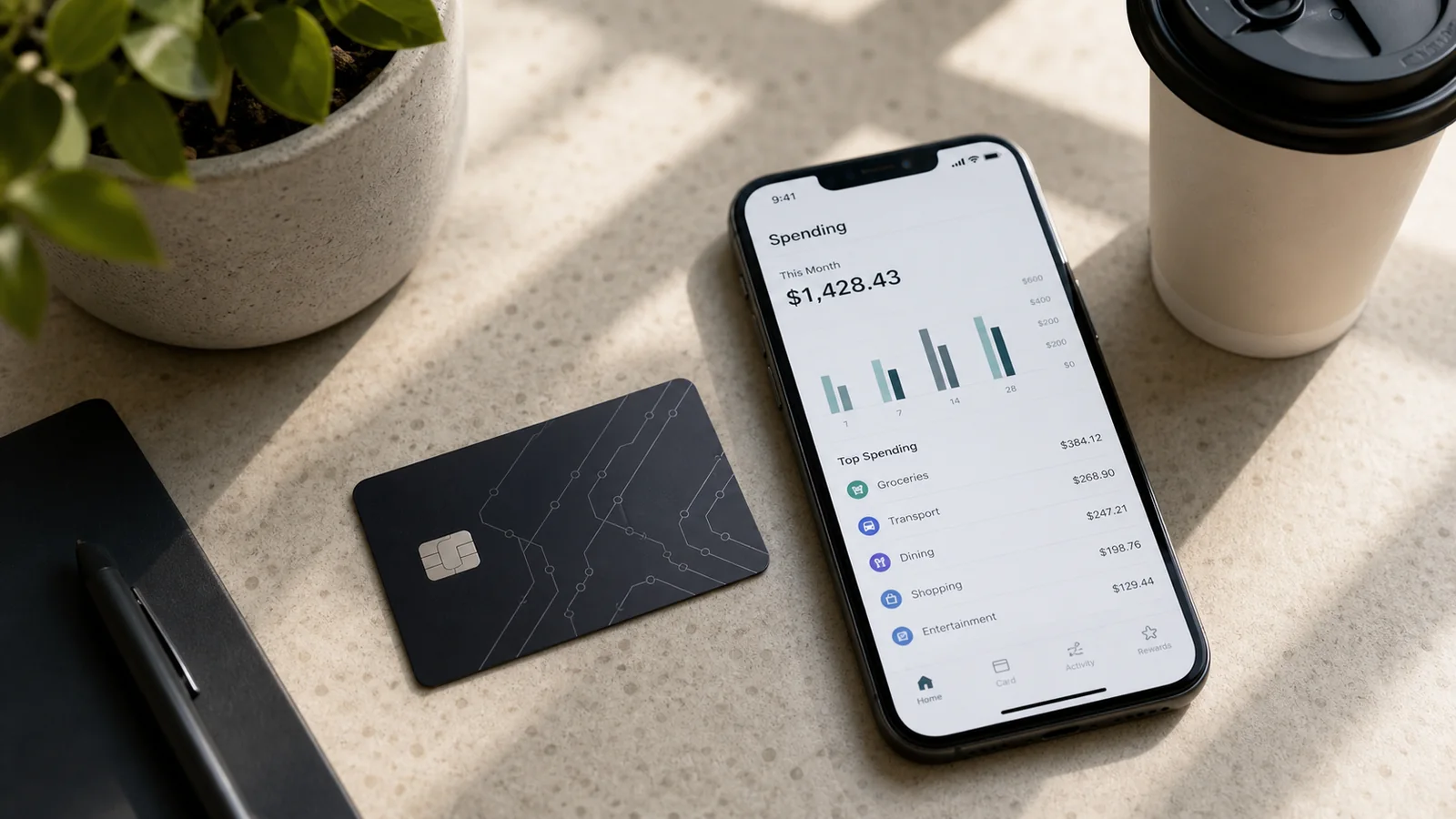
The Coinbase debit card makes crypto feel more like spending from a normal account. It is easy to use anywhere Visa debit is accepted. Yet the simple swipe can hide a tax event, a weak reward rate, or a bad choice of asset.
Quick take on the Coinbase Card
| Card type | Visa debit card |
|---|---|
| Credit check | No hard credit check for a debit card |
| Annual fee | No annual fee listed by Coinbase |
| ATM use | Yes; ATM firms may add fees |
| Best for | Coinbase users who want simple everyday spending |
| My grade | B |
This is an evidence-based review. I checked Coinbase help pages, card terms, tax notes, and current user reports. Card rules can change. Always check the app before you spend.
What I like—and what gives me pause
I like the clean link to a Coinbase account. You can get a virtual card, set a funding asset, and pay at normal merchants. You do not need a new loan or a credit line.
I also like that Coinbase says it does not add a fee for ATM withdrawals. The ATM owner may still charge one. Its current Coinbase Card fees and tax page says the card is open in all US states except Hawaii. Check that page because access can move.
My main pause is tax. If the card sells crypto for US dollars at the time of a purchase, that sale can create a capital gain or loss. A $4 coffee may make one more line for your tax file.
How this crypto debit card works
The Coinbase Card is a debit card linked to your Coinbase funds. It runs on Visa. At checkout, the payment passes through like other debit cards.
You choose what pays the bill. If you use US dollars, the flow is close to a bank debit purchase. If you spend crypto, Coinbase may automatically convert that asset to dollars. The merchant gets fiat currency. You see the crypto sale and card transaction in the app.
The physical card works in stores. The virtual card can work online or in a phone wallet. You can freeze the card in the app if it is lost.
The card does not make every shop accept cryptocurrencies. Visa handles the payment. That is why it works at far more places than a direct crypto checkout.
Rewards: read the live rate
Crypto rewards have changed many times. Coinbase calls rewards an optional offer, and the reward rate can vary. A rate shown last month may not be the rate you get now.
Open the card tab before a large purchase. Check the asset, rate, end date, and any cap. Do not buy extra items just to earn crypto. A 1% reward cannot fix a 20% bad spend.
Recent owners say the rotating rates can make planning hard. In a 2026 Coinbase Card discussion, users also ask about stacking card rewards with store or fuel offers. That may work, but each program has its own rules.
Are rewards taxable?
Cashback rewards may be treated like a rebate in some cases. Crypto tax can be less clear. If the reward asset later rises and you sell it, the gain may be taxable.
Keep the reward date, amount, and value. A tax app can help, but you still own the record. Ask a tax pro about your facts. XT Nodes does not give tax advice.
Fees that can still show up
“No annual fee” does not mean every use is free. Watch for these costs:
- ATM owner fees
- Crypto sale spread or exchange costs
- Network fees when moving funds into Coinbase
- Tax software or tax help
- Foreign or local charges shown in the live terms
Also check daily spend and ATM limits. Limits can depend on your account and region. The app is the best place to see your current numbers.
Spending crypto vs. spending dollars
I would use dollars for rent-like daily costs. That keeps the card simple. I would not sell a long-held coin each time I buy food.
Why? Each crypto sale can lock in a gain or loss. It can also sell an asset at a bad hour. If Bitcoin drops at noon, your lunch still costs the same dollars but may take more Bitcoin.
A stablecoin can cut price swings, but it still has issuer and platform risk. US dollars in a Coinbase cash balance may be the cleanest funding path for normal purchases. Read how funds are held and whether pass-through FDIC cover applies to your cash. Crypto holdings are not FDIC-insured like a bank deposit.
Coinbase Card vs. a normal bank debit card
| Feature | What changes |
|---|---|
| Funding | Coinbase balance instead of a checking account |
| Rewards | May pay in crypto at a variable rate |
| Taxes | Selling crypto may create a taxable event |
| Risk | Exchange access and crypto price sit beside card risk |
| Use | Visa acceptance feels much the same |
A bank debit card is boring. That can be good. It links to a bank account, uses dollars, and keeps fewer steps in the payment chain.
The Coinbase debit card is better when you already use Coinbase and want one bridge to everyday purchases. It is worse if you want to keep your spending life far from an exchange.
How it compares with other crypto debit cards
Crypto card offers move fast. Some cards act like debit. Some offer credit. Some ask you to lock tokens to get a high reward rate.
Do not compare only the top cashback number. Compare the cost to earn that number. A card that asks you to hold a risky token may cost more than its rewards.
The Binance Card is not a normal US choice at this time. Other products, such as Crypto.com cards, may use tier rules. The Gemini card is a credit card, so it is a different product. A credit card can help credit history but also charge interest. Coinbase Card does not need that loan step.
My comparison checklist
- Is the card open in my state?
- Is it debit, prepaid, or credit?
- What asset funds a payment?
- What is the real reward rate today?
- Do rewards have a cap or end date?
- Are there ATM, foreign, or sale fees?
- What happens if the exchange locks my account?
Security and privacy
Turn on strong two-factor authentication. An app or hardware key is better than text messages. Use a unique password. Lock the card when it is missing.
Set app alerts for each payment. Check the merchant name, since some names look odd. Report a bad transaction fast.
Coinbase has your identity and transaction data. That is part of the KYC trade. A card also shares payment data across the card network, issuer, and merchant. This is not private cash.
Keep only the spending funds you need in the linked account. A hardware wallet is still a better home for long-term crypto. Our Ledger Nano X review explains that split.
How to apply
- Open a verified Coinbase account and finish identity checks.
- Open the card area in the Coinbase app and check eligibility.
- Review fees, current rewards, limits, and the cardholder terms.
- Create the virtual card, then order a physical card if offered.
- Pick a funding asset and turn on payment alerts.
- Make one small test purchase.
A debit card application should not need a hard credit check because you are not asking for a loan. Coinbase still needs identity details and may review your account.
Everyday use: my safest pattern
I would keep a small US dollar balance for one week of card costs. I would turn on alerts and use the virtual card for online shops. I would lock the physical card when not in use.
For an ATM, I would use a machine inside a bank or busy store. I would check the fee on screen and cover the PIN pad. Coinbase may charge no withdrawal fee, but the ATM can.
For travel, I would carry a second card. Crypto services can pause a payment or an account. One card should never be your only way home.
Who gets the most value?
The Coinbase Card fits a current Coinbase user who wants a simple Visa debit link. It can also fit a person who likes small crypto rewards and keeps clean tax records.
It does not fit someone who wants full privacy, fixed rewards, or a normal bank-only life. It is also a poor match for a long-term holder who does not want frequent crypto sales.
Short FAQ
Is a Coinbase debit card worth it?
It can be worth it for active Coinbase users. The card has no listed annual fee, but rewards and other costs can change.
Does Coinbase give you a debit card?
Eligible US users can request a Coinbase Visa debit card in the app. Hawaii is excluded on the current help page.
Can I withdraw cash from my Coinbase Card?
Yes, at supported ATMs. Coinbase says it does not add an ATM fee, but the ATM owner may charge one.
How much does Coinbase charge for $1,000?
There is no one answer. It depends on the funding asset, sale spread, transaction type, and live terms. Check the preview before you approve.
Will the card affect my credit?
It is a debit card, not a credit line. It should not build credit, and it should not need a normal hard credit check.
Where can I use it?
You can use it where Visa debit is accepted, subject to card rules and blocked merchant types.
Final recommendation
I give the Coinbase debit card a B. It is a useful bridge. It is not a reason to move your whole money life onto an exchange.
Use dollars for daily spending when you can. Read the live reward rate. Save tax records. Keep long-term coins in a safer place.
If those steps sound easy, the card may fit. If they sound like extra work, a normal bank debit card will do the job with less fuss. Sometimes boring wins.